
Part 1: Reconfiguring Kenya’s Agricultural Architecture Under BETA
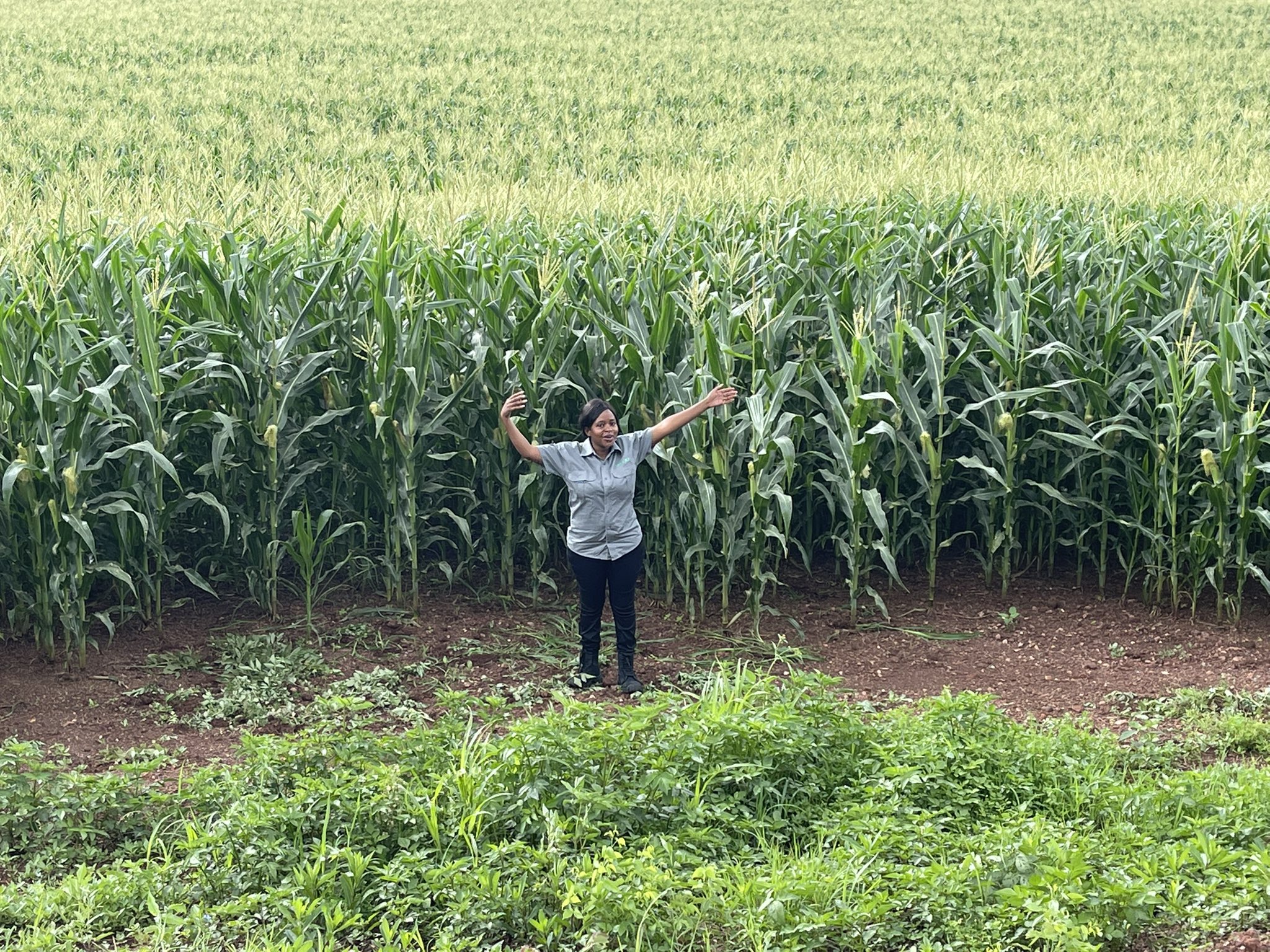
Agriculture is undergoing a deliberate structural reset under the Bottom Up Economic Transformation Agenda. The sector is being reorganised to deliver predictable production, stronger market performance, and meaningful income growth for rural households. This reset is guided by clear policy intent, disciplined investment, and coordinated action across national, county, and field level institutions. The shift is visible in operational systems, funding flows, regulatory conduct, and farmer experiences across the country.
Evidence from county engagements shows a sector that is stabilising. Fertilizer distribution has become more orderly through a verified national farmer registry that anchors subsidy allocation and enhances traceability. Irrigation capacity is rising as dormant schemes are revived, new ones commissioned, and household level water infrastructure expands. Mechanisation is gaining traction through structured equipment hiring facilities managed by counties and youth cooperatives. Extension services are being revitalised with a larger presence of government officers and trained village based advisors who support farmers throughout production cycles. These improvements reflect a coordinated delivery model intended to strengthen agricultural foundations over the long term.
Input reform remains the strategic entry point for this transformation. The fertilizer subsidy system has created greater affordability and reliability of supply. More than 9.5 million bags have reached farming communities, enabling wider planting coverage and improved yield performance. Certified seed distribution has expanded in both high potential and low rainfall regions, supporting the transition to resilient and commercially viable crop varieties. These measures have strengthened the productive capacity of households that depend heavily on seasonal outputs.
Irrigation infrastructure is emerging as a central pillar of the new approach. Revitalised schemes, solar powered smallholder units, and household water harvesting systems are enabling continuous cultivation and diversification of produce. Counties that previously experienced sharp fluctuations in yields due to rainfall variability are beginning to report steadier harvests. The presence of reliable water infrastructure is also accelerating the shift toward high value horticulture and other commercially attractive crops.
Mechanisation has introduced greater efficiency into farming operations. County linked hiring hubs now provide tractors and implements at predictable rates, reducing land preparation timelines and improving harvesting outcomes. These hubs are also creating enterprise opportunities for youth who manage equipment services within their localities. The resulting production environment is more organised, more time conscious, and more capable of meeting market and processing demands.
Stronger field presence is reinforcing the wider reform agenda. Extension officers and trained youth agents are now active in coordinating aggregation, advising farmers, and monitoring the quality and integrity of input use. Their engagement is supporting better compliance with production guidelines and encouraging consistent adoption of improved farming practices.
The developments emerging across counties point to a sector being professionally reorganised to support national economic renewal. Agriculture is benefiting from clear direction, stronger institutional discipline, and greater accountability for outcomes. The trajectory now visible signals a model that is anchored in system building, predictable service delivery, and measurable improvements in production and household prosperity.
Part 2: Enhancing Market Systems, Post-Harvest Value, and Farmer Organization
Strengthening Post-Harvest Infrastructure: Reducing Losses, Preserving Value
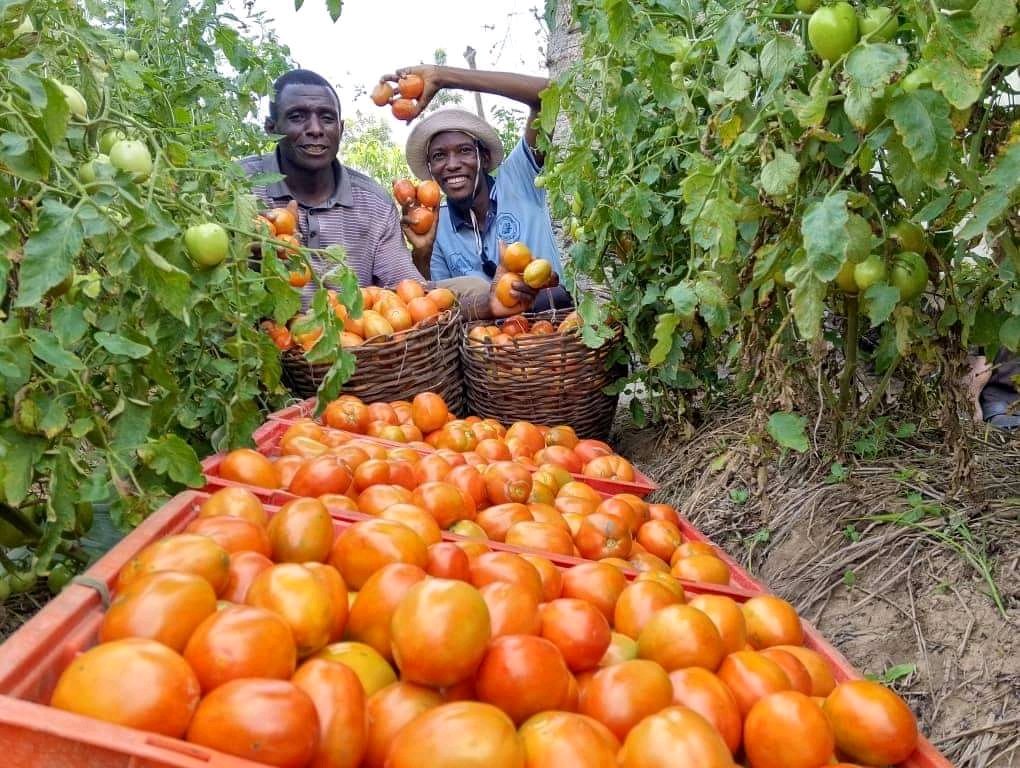
Post-harvest losses have long undermined Kenya’s food security and farmers’ earnings, with estimates indicating losses of up to 30–40% for perishables and grains. The Bottom-Up Economic Transformation Agenda (BETA) has addressed this challenge decisively through strategic investment in storage, handling, and processing infrastructure at both farm and regional levels.
Over 50 certified warehouses are now operational under the Warehouse Receipt System (WRS), offering structured storage for maize, beans, rice, sorghum, green grams, and other strategic staples.
These facilities are equipped with modern dryers, moisture meters, fumigation units, and quality-testing labs, reducing contamination and enabling long-term preservation.
Farmers can now deposit their produce and receive warehouse receipts, which are recognized as collateral by commercial banks and SACCOs. This model has unlocked over KSh 1.2 billion in post-harvest financing, injecting liquidity into the rural economy without distress sales.
The National Cereals and Produce Board (NCPB) and private-sector partners have ensured that warehouse pricing reflects national reserve needs and fair market value, with maize currently traded at KSh 4,000 per 90kg bag in peak purchasing windows, up from historical lows of KSh 2,300.
In addition, more than 250 aggregation centres have been established across high-yielding counties, focused on perishable goods such as milk, bananas, potatoes, tomatoes, and mangoes. These centres act as logistics hubs, providing cold storage, grading and sorting lines, digital weighing systems, and pre-cooling facilities. Aggregated produce from these centres is now reaching institutional buyers, regional exporters, and large supermarkets, significantly shortening the value chain and increasing farmer margins.
Expanding Market Access: Connecting Farmers to Reliable and Profitable Buyers
Under BETA, the government has adopted a deliberate approach to market stabilization and expansion, ensuring that farmers no longer depend solely on unpredictable informal markets. Instead, a dual strategy has been employed: formalizing local markets and facilitating access to structured trade routes.
Through the Kenya National Trading Corporation (KNTC) and the NCPB, smallholder produce is now absorbed through guaranteed procurement schemes at pre-announced prices, shielding farmers from price shocks and predatory middlemen.
Strategic alliances have been signed between farmer cooperatives and institutional buyers, such as the National School Feeding Programme, disciplined forces, government hospitals, and correctional services, creating predictable demand for staple crops, dairy, and horticultural products.
Export partnerships have also grown, with avocado, macadamia, and mango cooperatives in Murang’a, Embu, and Makueni linked to overseas markets through the Horticultural Crops Directorate (HCD). Horticulture export earnings rose to over KSh 170 billion, driven by better post-harvest quality control and cold chain compliance.
The Kenya Agricultural and Livestock Research Organization (KALRO) and the Agricultural and Food Authority (AFA) now offer real-time market price dashboards to cooperatives and extension officers, improving price transparency at the village level.
Moreover, with the increased use of digital tools, including USSD-based market matching platforms, farmers are no longer price takers. They are informed, organized, and empowered to negotiate contracts or delay sales until prices improve, further consolidating agriculture as a viable business.
Farmer Aggregation and Cooperative Strengthening: Unlocking Economies of Scale
The cooperative model has been revitalized as the beating heart of agricultural commercialization under BETA. Government has invested in both the formalization and professionalization of grassroots cooperatives to ensure they operate as efficient commercial units, not just farmer welfare groups.
More than 1,300 farmer cooperatives and producer organizations have been restructured, audited, or newly registered under new compliance guidelines issued by the State Department for Cooperatives.
Training programs on governance, financial literacy, and digital accounting have been rolled out across the country. Over 20,000 cooperative officials have been trained through county-level capacity-building workshops.
Aggregated input purchasing through cooperatives has led to bulk discounts of up to 30% on fertilizer, agrochemicals, animal feed, and irrigation kits.
Organized cooperatives now access credit more easily. For instance, over KSh 600 million in concessional loans were disbursed through the Agricultural Finance Corporation (AFC) and select commercial banks under cooperative guarantee models.
These cooperatives have become powerful players in the agricultural ecosystem. They manage input distribution, run aggregation centres, process member payments, negotiate markets, and coordinate last-mile delivery of mechanization and extension services. This scale-driven approach has increased rural incomes, improved access to inputs, and laid the groundwork for cooperative-based industrialization in agro-processing.
Part 3: Value Addition, Livestock Revitalization, and Youth Inclusion in Agriculture
Agro-Processing and Value Addition: From Raw Produce to Rural Industrialization
The BETA framework has prioritized agro-processing as a strategic pathway for job creation, import substitution, and export diversification. Recognizing that raw produce alone cannot maximize value or protect farmers from market volatility, the government has accelerated the establishment of agro-processing hubs in key production zones.
Over 35 county-level agro-processing plants have been commissioned or rehabilitated, specializing in maize milling, rice polishing, potato peeling and slicing, mango puree, banana flour, and groundnut paste.
These facilities are operated by county governments in partnership with farmer cooperatives and private investors, and have created more than 12,000 direct jobs, many of them for rural youth and women.
Through the Kenya Industrial Estates (KIE) and Micro and Small Enterprises Authority (MSEA), over KSh 900 million has been disbursed to agro-processors for equipment, training, and certification under the “Buy Kenya, Build Kenya” program.
Export-oriented processing of macadamia, avocado, and dried mango has boosted horticulture value chain earnings, while domestic processing of animal feed, honey, and dairy products has reduced reliance on imports.
Notably, value addition has empowered farmers to retain a higher share of the consumer price. For example, farmers selling shelled macadamia through cooperatives now earn up to KSh 180 per kilogram, compared to KSh 50–70 previously offered by raw nut traders.
Livestock and Fisheries Modernization: Restoring Competitiveness in the Protein Economy
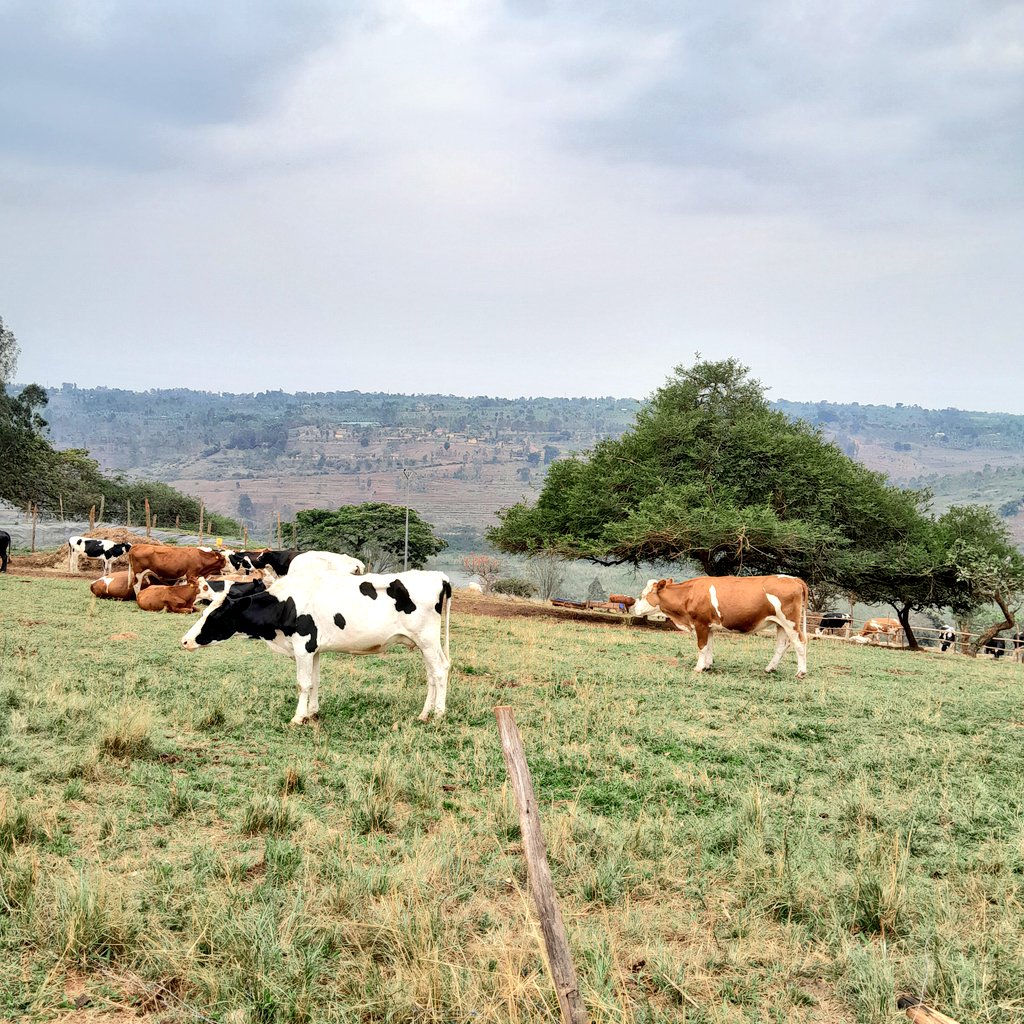
BETA has placed the livestock sector on a recovery and growth path, particularly in Arid and Semi-Arid Lands (ASALs) where pastoralism remains the economic backbone. Government has rolled out a coordinated livestock development program that encompasses breeding, animal health, feed production, and market access.
Over 1.5 million livestock farmers have benefited from subsidized vaccines and veterinary drugs through county-based mobile health units.
The Kenya Veterinary Vaccines Production Institute (KEVEVAPI) has increased national vaccine production by 60%, significantly lowering the incidence of foot-and-mouth disease, contagious bovine pleuropneumonia, and Newcastle disease.
Feed formulation has been localized, with 13 decentralized feed processing plants now operational under county extension offices and cooperative management. These plants utilize local by-products like maize stover, molasses, and cottonseed cake, lowering feed prices by over 25%.
Strategic Livestock Holding Grounds have been rehabilitated in Garissa, Turkana, and Isiolo, complete with weighbridges, shade structures, water points, and access roads, reducing stress-related livestock deaths during market transportation.
In fisheries, more than 3,000 aquaculture ponds and 20 community fish hatcheries have been developed under the Aquaculture Business Development Programme (ABDP). Tilapia, catfish, and ornamental fish farming has expanded significantly, especially in Western Kenya, Central, and Coast regions. Fish feed mills and cold chain logistics have been scaled, supporting a sharp increase in annual aquaculture output, currently estimated at 25,000 metric tonnes, up from 12,000 metric tonnes prior to the intervention.
Youth Inclusion in Agriculture: From Marginalized to Frontline Agripreneurs
At the core of BETA’s transformation model is the active engagement of youth in agriculture as innovators, service providers, and enterprise owners. This shift has been achieved through a blend of financing, incubation, training, and market access support.
The Youths in Agribusiness Strategy, implemented through the Ajira Agritech Program and Kenya Youth Employment Opportunities Project (KYEOP), has empowered more than 200,000 young people across the agricultural value chain.
Youth-led enterprises are now operating mechanization hubs, agrovet outlets, solar pump installation services, aggregation centres, and digital advisory platforms, transforming the rural employment landscape.
Over KSh 2.1 billion has been made available through youth-specific agricultural grants and soft loans, disbursed via the Youth Enterprise Development Fund, commercial banks, and SACCOs.
Vocational training centres and agricultural TVETs have also introduced competency-based curricula in agromechanics, animal husbandry, aquaculture, and post-harvest technologies, enhancing employability and enterprise-readiness.
In addition, digital agriculture has become a youth-dominated sub-sector, with apps now facilitating soil testing, weather advisory, input ordering, and market price tracking. These innovations are contributing to a more transparent and efficient agricultural system.
Part 4: Financing the Transformation, Building Resilience, and Institutionalizing Delivery
Agricultural Financing: Unlocking Capital for Growth and Inclusivity
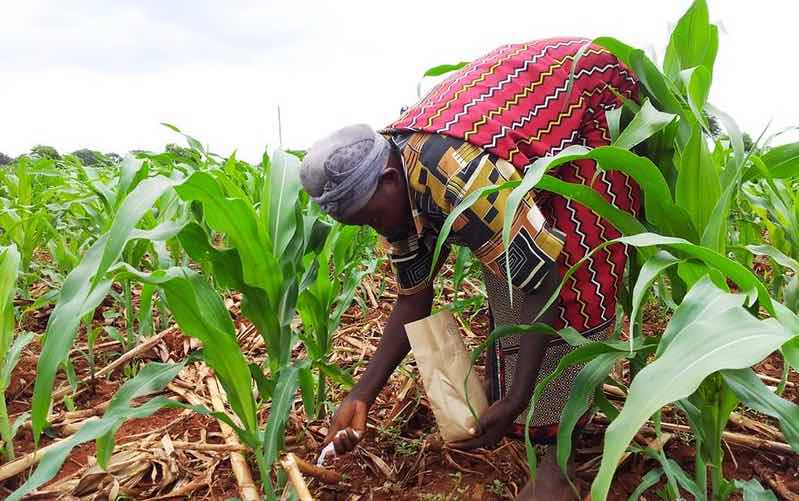
Access to affordable and timely financing has traditionally been a bottleneck for agricultural development, particularly among smallholder farmers and rural MSMEs. Under BETA, the government has implemented decisive reforms to unlock capital through structured credit guarantees, cooperative lending, and digitally-enabled financial inclusion.
Through the Agricultural Finance Corporation (AFC), more than KSh 4.3 billion has been disbursed in agricultural loans to individual farmers, cooperatives, youth groups, and agribusiness SMEs across value chains.
The establishment of the Agriculture Credit Guarantee Scheme has de-risked lending to the sector by commercial banks and MFIs, leading to the expansion of credit portfolios dedicated to farming and agro-processing.
Mobile-based platforms like Hustler Fund for Agriculture, e-NGAAF, and Kilimo Biashara Loans now offer smallholder farmers loan limits ranging from KSh 3,000 to KSh 100,000, with interest rates capped at single digits and repayment cycles aligned to production seasons.
The Kenya Development Corporation (KDC) and County Enterprise Funds have jointly financed over 1,800 agro-enterprises in dairy, poultry, horticulture, and value-added products, primarily led by women and youth.
Additionally, agri-insurance has gained significant traction, with uptake of weather-indexed and yield-based policies rising by 140%, covering over 700,000 acres of maize, beans, and sorghum. This expansion is credited to strategic partnerships between insurers, SACCOs, and the State Department for Crop Development, who now co-subsidize premiums for vulnerable farmers in drought-prone zones.
Climate-Smart Agriculture: Safeguarding Sustainability and Food Security
The shift toward climate-resilient agricultural practices has become integral to BETA’s long-term sustainability goals. Recognizing the vulnerability of rain-fed agriculture to erratic weather, the government has aggressively promoted adaptation strategies that integrate science, indigenous knowledge, and modern technology.
More than 4.2 million farmers have been trained in climate-smart agriculture (CSA) practices such as minimum tillage, cover cropping, agroforestry, organic fertilization, and integrated pest management.
County extension programs, supported by the National Climate-Smart Agriculture Strategy, have deployed over 7,000 trained climate field officers, ensuring community-level technical support for smallholders adapting to new techniques.
The widespread introduction of drought-tolerant seed varieties, developed by KALRO and certified by KEPHIS, has enhanced productivity in ASAL counties, where erratic rainfall once crippled entire planting seasons.
In partnership with development agencies, over 30,000 household water pans have been constructed, harvesting rainwater for irrigation and livestock use, especially in Kitui, Machakos, Laikipia, and Narok.
Agroforestry has also been scaled under BETA’s broader environmental pillar, with more than 10 million agroforestry seedlings, including grevillea, moringa, bamboo, and fruit trees, distributed to farmers as part of the government’s national tree-growing drive.
Institutional Coordination and Grassroots Delivery: Getting Results Where It Matters
The success of BETA’s agricultural reforms is grounded in robust institutional coordination and grassroots-level delivery mechanisms. The Ministry of Agriculture and Livestock Development, working alongside inter-agency partners, has activated Kenya’s most decentralized administrative architecture to ensure last-mile execution of programs.
Over 4,700 government extension officers are now active across counties, supplemented by more than 2,500 digitally-trained youth agents working as village-based advisors. These officers conduct field demonstrations, offer climate and agronomic advisory services, and coordinate aggregation activities.
The National Government Administration Officers (NGAOs), including Chiefs, Assistant Chiefs, and County Commissioners, have played a pivotal role in input distribution, farmer registration, conflict resolution, and policy awareness, ensuring operational integrity.
The Council of Governors (CoG), through the Agriculture Committee, has harmonized county-specific agricultural policies with national priorities, enabling better alignment on land use, input support, livestock markets, and agricultural extension.
Public-private partnerships (PPPs) have also flourished, with over 70 formal agreements signed between county governments, development partners, and agritech innovators. These range from digitizing cooperative accounts to deploying AI-driven pest detection tools and blockchain-based traceability systems.
These coordinated efforts have made agriculture under BETA not just a government priority, but a shared national mission.
Part 5: Strategic Impact – Agriculture as the Cornerstone of Kenya’s Bottom-Up Transformation
Rural Prosperity and Food Security: Turning Households into Economic Units
The most visible impact of the agricultural reforms under BETA is the restoration of dignity and economic security in rural households. Where farming was previously synonymous with poverty, today it is synonymous with productivity, planning, and prosperity.
Surveys conducted by the State Department for Economic Planning indicate that average household farm incomes have increased by up to 38%, with the highest gains recorded among women-led and cooperative-based farming units.
In key staple-producing counties such as Uasin Gishu, Trans Nzoia, and Bungoma, households that adopted subsidized inputs and mechanized services reported double-digit growth in seasonal harvests, resulting in enhanced food surpluses, savings, and reinvestment into on-farm infrastructure.
Vulnerability to hunger has declined significantly in historically food-insecure counties. The National Food and Nutrition Security Council reports a 21% drop in severe food insecurity in targeted ASAL counties where irrigation, livestock support, and resilience measures were deployed.
The injection of cash through guaranteed procurement schemes has also enabled farmers to diversify their economic base. Many are now investing in solar energy, household water harvesting, agro-tourism ventures, and micro-retail, thereby contributing to the rural circular economy.
This transformation has turned rural spaces from zones of distress migration into zones of enterprise. Young families are settling, schools are better supported, and rural populations are increasingly connected to national markets and digital systems.
Job Creation, Youth Empowerment, and Women’s Economic Inclusion
Agriculture under BETA has become the single largest contributor to Kenya’s job creation momentum. The sector has absorbed idle youth and marginalized demographics by transforming every stage of the value chain into a livelihood opportunity.
More than 490,000 new jobs have been created in agriculture-related activities, spanning mechanization, aggregation, processing, logistics, input distribution, agro-consulting, and financial services.
The percentage of youth under 35 active in agribusiness has grown by 34%, indicating a major mindset shift away from urban-only aspirations. Youth are now managing input supply shops, greenhouse enterprises, aquaculture businesses, and irrigation firms.
Women’s participation has expanded dramatically, especially in horticulture, dairy farming, poultry, and value-added processing. Through deliberate targeting under affirmative action policies, more than 60,000 women-led farm enterprises have accessed credit, training, or market linkage support through BETA channels.
School leavers, university graduates, and artisan-level technicians are now finding pathways into agri-tech careers, developing mobile apps, digitizing cooperative systems, and building AI-powered sensors for climate-smart farming.
What was once seen as a sector for the elderly is now recognized as a technology-driven frontier for Kenya’s next generation of entrepreneurs.
Economic Resilience and Export Growth: Agriculture Driving Macroeconomic Recovery
Agriculture under BETA has not only transformed the lives of farmers; it has also repositioned the sector as a stabilizing force for Kenya’s broader economic framework. As a primary anchor of GDP, exports, and employment, agriculture has delivered strong contributions to national economic recovery and structural transformation.
National agricultural exports have surpassed KSh 650 billion in earnings, driven by horticulture, tea, coffee, livestock products, herbs, and emerging crops such as avocado, macadamia, and chia seeds.
The country’s agri-trade balance has improved, with domestic food production reducing the import bill for maize, rice, and animal feed ingredients.
Local manufacturing has received a boost through backward linkages to agriculture. Flour mills, food processors, dairy plants, textile manufacturers, and feed producers have reported higher capacity utilization following consistent input supply from revitalized agricultural zones.
Revenue collection from agricultural produce cess, export levies, and VAT on processed products has expanded county and national tax bases, reinforcing fiscal decentralization and local development projects.
Agriculture is thus no longer a burden on the exchequer, but a strategic revenue stream, employment generator, and industrial enabler.
National Cohesion and Spatial Equity: Agriculture Uniting Kenya through Shared Prosperity
Beyond economics, the agricultural revival under BETA has delivered an intangible yet powerful national dividend, unity. By extending economic opportunity to all regions, regardless of political alignment or historical investment patterns, agriculture has become a catalyst for national cohesion.
Previously marginalized counties such as Marsabit, Isiolo, West Pokot, Kitui, and Tana River have received equitable investment in irrigation, extension services, warehouse construction, and livestock market development.
Multi-ethnic cooperatives have emerged in border zones, where farming communities now collaborate on shared storage, input delivery, and marketing logistics.
Agro-political stability has improved, with fewer conflicts over grazing land, food aid, and water access. In their place are agreements over water use, rotational grazing, and cooperative management of resources.
This spatial inclusivity has contributed to a calmer, more united national mood. Agriculture is now seen not only as an economic instrument but also as a vehicle for peace-building, cohesion, and identity.
Conclusion
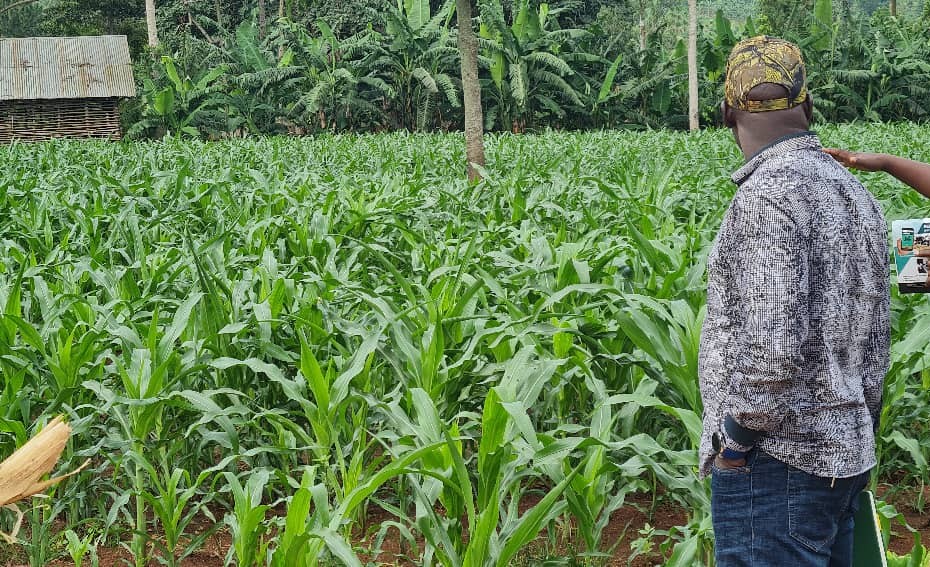
The trajectory emerging across the agricultural sector reflects a reform agenda that is maturing into a coherent national delivery system. The Bottom Up Economic Transformation Agenda is strengthening production capacity, stabilising markets, modernising value chains, and establishing the institutional discipline required for long term sectoral growth. Evidence from counties, cooperatives, extension structures, irrigation schemes, and agro processing zones points to a sector that is becoming more predictable, more commercially oriented, and more responsive to the needs of farming households.
The strategic focus on input affordability, irrigation expansion, mechanisation, post harvest systems, livestock development, youth participation, and climate resilience has created an integrated platform through which agriculture can contribute meaningfully to rural prosperity and national economic renewal. These interventions are reinforcing household incomes, improving food availability, supporting enterprise formation, and introducing greater efficiency into the production environment. The performance indicators recorded across counties reflect the steady consolidation of a reform agenda that is anchored in evidence and results.
Institutional coordination remains central to this progress. Ministries, agencies, county governments, cooperatives, and extension officers are executing aligned mandates that enhance accountability throughout the value chain. This alignment is contributing to clearer implementation pathways, stronger regulatory conduct, and consistent delivery of sector priorities at the field level. Agriculture is benefitting from a governance structure that provides visibility, supports continuous improvement, and enables timely intervention where required.
The reforms implemented under BETA are laying a durable foundation for agriculture to support national development in a sustained manner. The sector is evolving into a structured economic pillar capable of driving inclusive growth, expanding export earnings, generating employment, and reinforcing food and nutrition security. The momentum now visible signals a transformation that is entering a phase of consolidation and scale, guided by policy clarity, institutional strength, and a national commitment to agricultural renewal. This creates a clear pathway for a more resilient, productive, and competitive agricultural economy for the country.
